


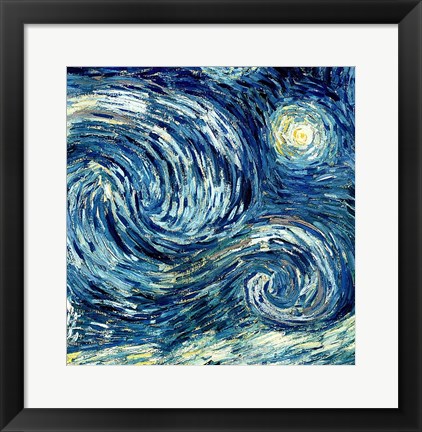
Van Gogh: The Starry Night (Detail)
Iconic brushwork + bold blues. Easy win for living rooms, hallways, and offices.

Art Buying 101
When you’re shopping for wall art, these three words get used like they mean the same thing. They don’t. The difference affects value, rarity, and what you should expect when you frame and display it.
If you want art that’s ready to hang in your home or office, start here:
FramedArt.com Home
Shop Art by Subject
Shop Canvas Art
Browse Best Sellers
An original artwork is the single, unique piece created directly by the artist—think oil paintings, charcoal drawings, mixed media, or sculpture. There is only one original. Once it’s sold, it’s gone.
Buy an original if: you want true uniqueness, you care about owning a piece made by the artist’s hand, and you’re comfortable paying a premium for rarity.
A print is a professionally produced edition of an artwork, created using a fine-art printing process. What separates a print from a basic reproduction is that prints are often made in a limited run.
Buy a print if: you want something closer to a collector piece—better scarcity than an open-edition reproduction—without paying original-art prices.
A reproduction is a copy of an original artwork. It’s typically open edition (not limited), and it’s made to be affordable, accessible, and easy to decorate with—think classic posters, famous paintings, and popular museum images.
Reality check: reproductions usually aren’t “investment” pieces—value is primarily decorative. The win is you can get iconic art on your wall in the size and finish you actually want.
| Type | What it is | Typical traits | Best for |
|---|---|---|---|
| Original | One-of-a-kind piece made directly by the artist | Unique, premium pricing, potential long-term value | Collectors, statement ownership, investment-minded buyers |
| Limited edition made through a professional print process | Often signed/numbered, limited run, more collectible than open edition | Art lovers who want scarcity without original pricing | |
| Reproduction | Copy/open edition (poster or widely available art print) | Affordable, many sizes, easy to decorate with | Home/office decor, big walls, gifts, multi-room projects |
Below are well-known artworks available to customize and frame. These are the kinds of pieces customers pick when they want a recognizable “wow” image with flexible sizing and framing choices.
Van Gogh: The Starry Night (Detail)
Iconic brushwork + bold blues. Easy win for living rooms, hallways, and offices.
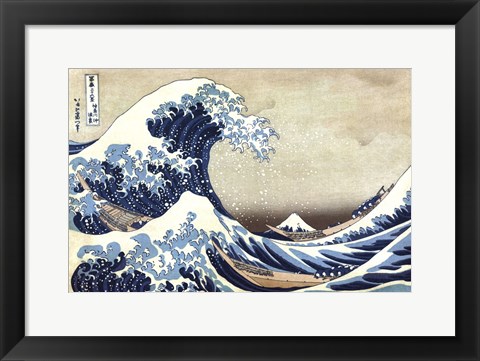
Hokusai: The Great Wave at Kanagawa
A clean, graphic statement piece that works in modern and traditional rooms.

Soft color + texture. Great for bedrooms, calm spaces, and spa-like rooms.
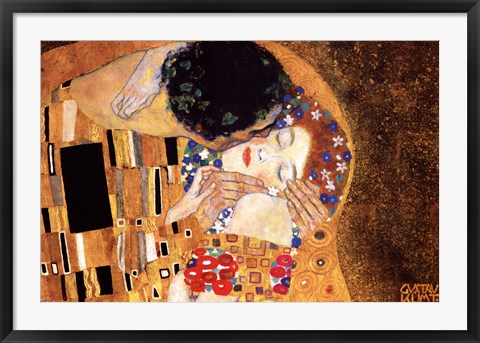
Gold tones + romance. Looks premium in black, gold, or ornate frames.
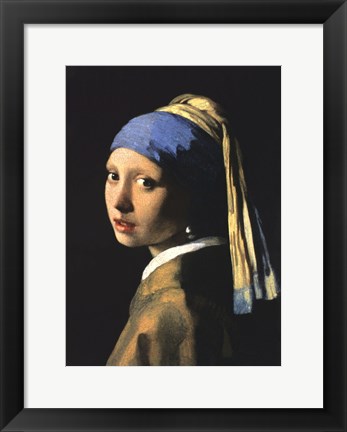
Vermeer: Girl with a Pearl Earring
A classic portrait that instantly elevates offices, libraries, and formal rooms.

Museum-famous. Choose a classic frame for a timeless, gallery-like finish.
Explore finishes like canvas options if you want a softer, glare-reduced look.
Not at all. Reproductions are designed to be accessible. They’re a smart choice when your goal is to decorate well, fill a large wall, or get a famous image in the right size and finish.
Look for an edition size (like 100 total), numbering (like 12/100), and sometimes a signature. If it’s open edition and widely available, it’s typically a reproduction.
Classics often look great with either (1) a traditional frame for a true gallery feel or (2) a clean modern frame if your room is contemporary. A white or neutral mat can make the piece look more “finished.”
Paper prints look sharp and traditional behind glazing. Canvas can feel more painterly and can reduce glare. If you’re decorating a bright room, canvas can be a strong choice.
Original = one-of-one. Print = often limited edition. Reproduction = copy/open edition. Choose based on whether you care more about rarity or the look on your wall.
{"one"=>"Select 2 or 3 items to compare", "other"=>"{{ count }} of 3 items selected"}
Leave a comment